
User experience (UX) is a crucial element in the design of digital products, and it should never be underestimated. A successful digital product that effectively engages its audience stands out from those that fail to provide a positive user experience. Overall, the importance of UX for digital products boils down to one thing: creating a great user experience as the foundation for creating a successful and sustainable product.
For years, Svitla Systems has been dedicating a significant amount of resources, talent, and time to perfect its UX services and delivery, engaging, harnessing, and learning from top experts in the field to ensure every project is approached with a strong UX initiative from the get-go.
For today’s piece, we held a candid interview with one of our greatest: Mariia Vynogradova, our UX Writer who’s changing the world of our clients’ digital product development.
Let’s get going!
Let’s hit the basics of who UX Writers are
The phrase 'Who is a UX writer' is typically a starting point for anyone seeking to understand this unique role within the field of user experience. I would best explain UX Writing as the process of creating clear, concise, and user-focused content for digital products and interfaces. The primary goal of UX writing is to enhance the user experience by providing helpful, relevant, and engaging copy that guides users through the product.
The user experience is pivotal when designing digital products because it ensures digital products are effective and efficient so users get a positive and satisfying experience. Google is suggesting you an article based on your interests? Netflix is auto-playing the next episode so you don’t need to touch the button? Spotify is wrapping up your playlists at the end of the year so you can share them on Instagram? It’s all about the user experience. By focusing on UX, you can identify and eliminate pain points in your product, streamline processes, increase customer satisfaction and loyalty, improve customer retention, and even attract new customers through word-of-mouth referrals. As they say, UX design can make or break your product and relationship with customers.
“What is UX writing and how it differs from copywriting?” is a question I wish all recruiters would research before starting to look for a UX Writer 😂. Essentially UX writing focuses on the user's needs and goals rather than marketing or promotional messaging, simple as that. It involves writing microcopies, such as buttons, labels, tooltips, error messages, and other interface elements that help users navigate and interact with the product. UX writers work closely with designers, developers, and product managers to ensure that the copy and its tone align with the product's strategy.
As a part of the UX team a UX Writer puts together words and creates copy for interfaces. By saying “words” I mean literally all the words that comprise a digital product. From buttons, headings, navigation hints, and more—every single word that a user sees is written by the UX Writer.
Sounds easy? Try explaining what the concept of “Cookies Allowlist” is in one sentence so it’s clear for your colleagues, your children, and your granny ;)
It took over a decade to realize that designers aren't ready to work with words, and copywriters have a very vague concept of UX and development. But we get better at this :)
Some of the key responsibilities of a UX writer include:
- Creating and editing copy: Write clear and concise copy that is easy to understand and use; the UX Writer should also edit copy to ensure that it meets the needs of the product or service.
- Conducting user research: Conduct user research (with UX researchers if you are lucky enough to have them!) to gain insight into user needs and behaviors, and to ensure that content is aligned with user expectations.
- Collaborating with designers, developers, product managers, support, and researchers: Ensure content is cohesive and integrated effectively into the product or service.
- Creating style guides to maintain the voice and tone of a product: Create style guides and standards for a consistent voice and tone across all user-facing content.
- Testing and iterating: Test, iterate, and audit content to ensure that it is clear, accessible to all users, and meets the needs of the user.
When thinking about extraordinary skills or responsibilities, I foresee:
- Having empathy and a user-centric way of thinking.
- Possessing knowledge of wireframing/prototyping tools.
- Conducting design thinking workshops.
- Being data-driven.
- Proficiency in design collaboration tools (Sketch or Figma) and text collaboration tools (Notion, Confluence, etc.).
- Knowing the tools to conduct UX research and analyze data is a great plus.
- Sometimes localization tools are required.
When Does Your Project Need a UX Writer?
Having a UX writer is beneficial for every digital product and it brings tons of value when:
- The team needs to make anything from scratch.
- When an existing product or service is being rebuilt.
- When a product or service is released in many markets.
- Whenever there is a need to write, revise, or enhance a product's copy.
Here are the main areas that showcase the significant contribution UX writers bring to their teams and products.
- Crafting clear and consistent messaging: by using the language that resonates with the target audience, UX writers ensure users can easily understand what the digital product is about and what they can expect from it.
- Developing content that facilitates user flow: UX writers help map out the user journey, creating content that guides users through the digital product with ease by ensuring information is logical and intuitive.
- Enhancing accessibility: They keep accessibility in mind by using plain language, providing alternative text for images, and ensuring content is easy to navigate for users with disabilities.
- Testing and refining content: UX writers work closely with designers and developers to test digital product content and refine it over time by analyzing user behavior and feedback.
- Building brand awareness: By helping create content that reflects the brand's voice and values, they ensure that messaging aligns with the brand's identity.
Negative Consequences of Delegating UX Work To Non-UX Writers
I’ve found that delegating UX work to non-UX writers legitimately causes headaches and bad results overall. Why? Firstly, non-UX writers lack the specialized skills and knowledge required for creating effective user experiences. As UX Writers, it’s ingrained in us to have a deeper understanding of user psychology, design principles, and technical considerations, and without this expertise, non-UX writers may create content that is confusing, ineffective, or even counterproductive, leading to a poor user experience.
Secondly, I’ve seen firsthand how delegating UX work to non-UX writers leads to inconsistencies and errors in messaging, tone, and style; not to mention, they typically don’t fully understand the importance of accessibility and inclusivity in user experience design.
Why does UX work keep being delegated to non-UX writers? Well, unfortunately, I’ve come across the fact that, for organizations, it’s tricky to recognize the importance of UX. Also, organizations typically prioritize cost-cutting measures, leading them to delegate UX work to existing staff members who lack the necessary expertise.
Real-life Examples of Great UX Writing
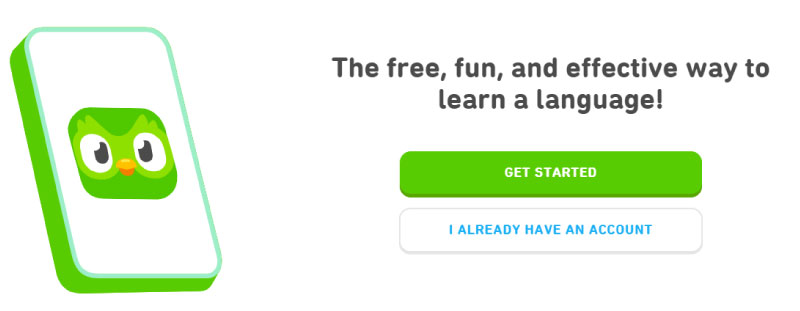
The first product that comes to my mind is Duolingo because I’m trying to improve my German and Japanese now. The app is packed with great gamification and UX Writing, exemplifying a consistent, well-executed design strategy that is intuitive and user-friendly for anyone to use.
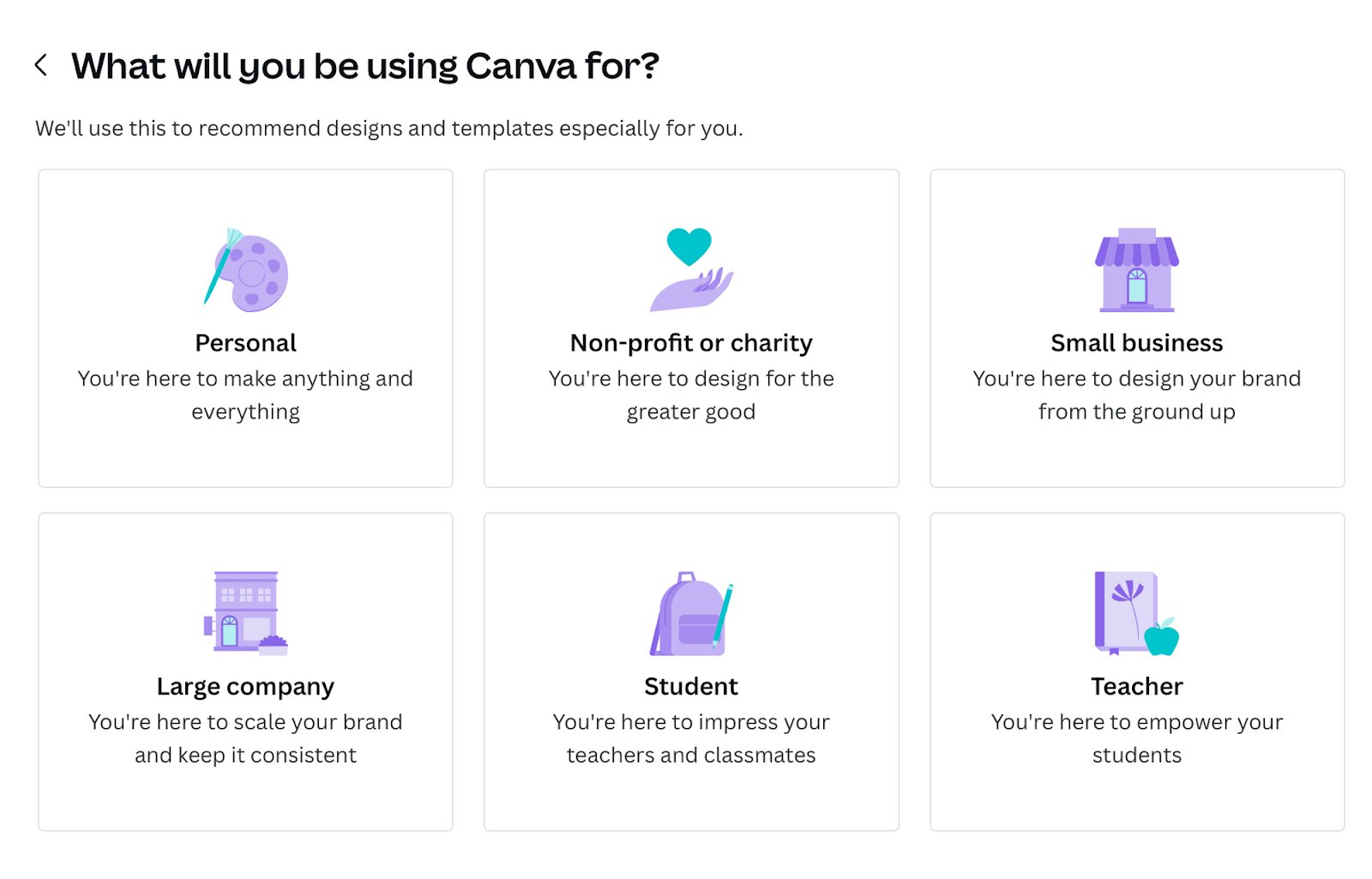
Next up is Canva. Upon opening the app, it asks users to learn about how they plan to use the platform and then leads them to a tutorial focused on what they actually want to do rather than taking them through everything. This is particularly great because it underlines the unique experience “especially for you.”
Also, I really appreciate the fact that the subscription stage is not annoying 😀

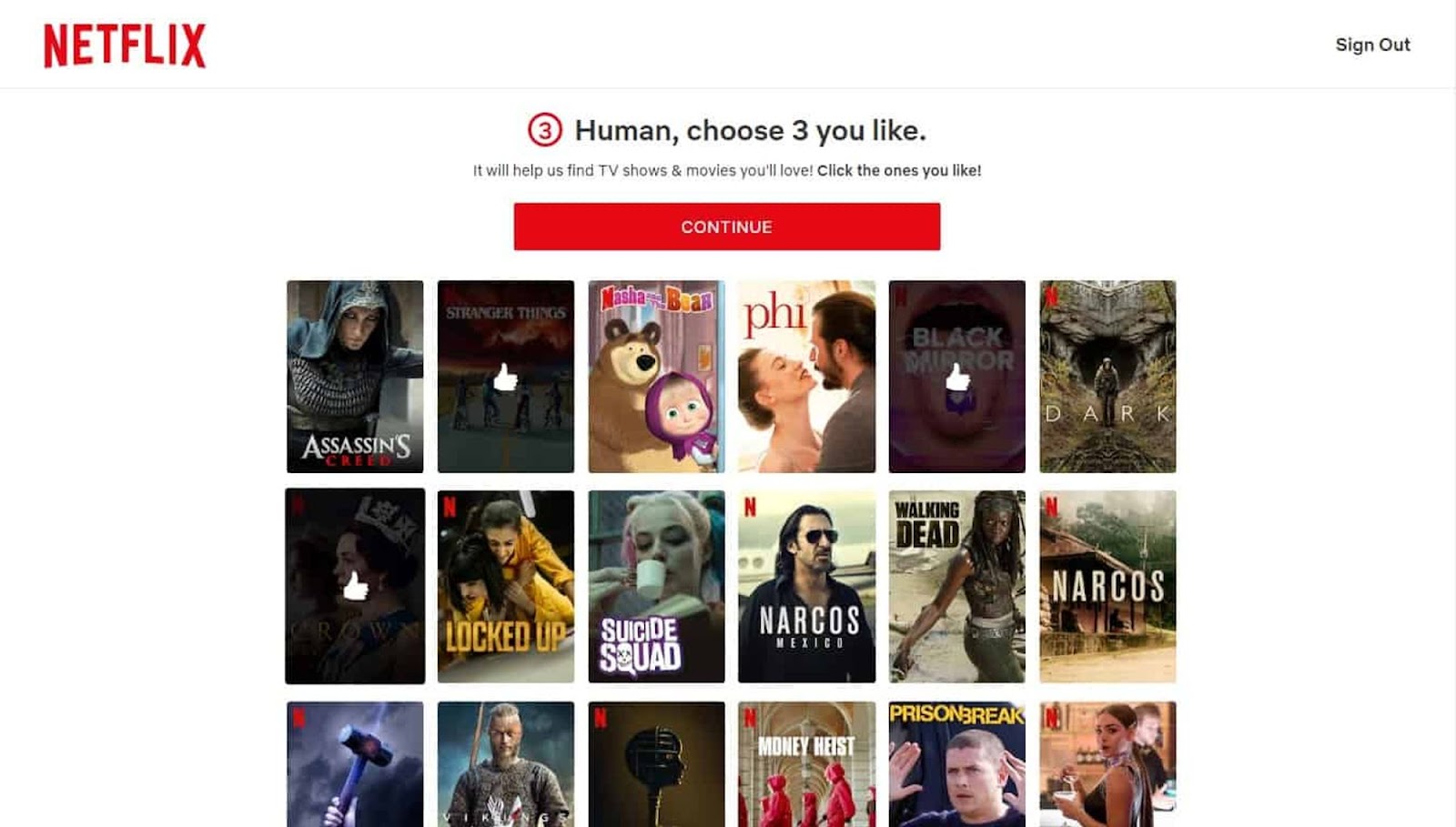
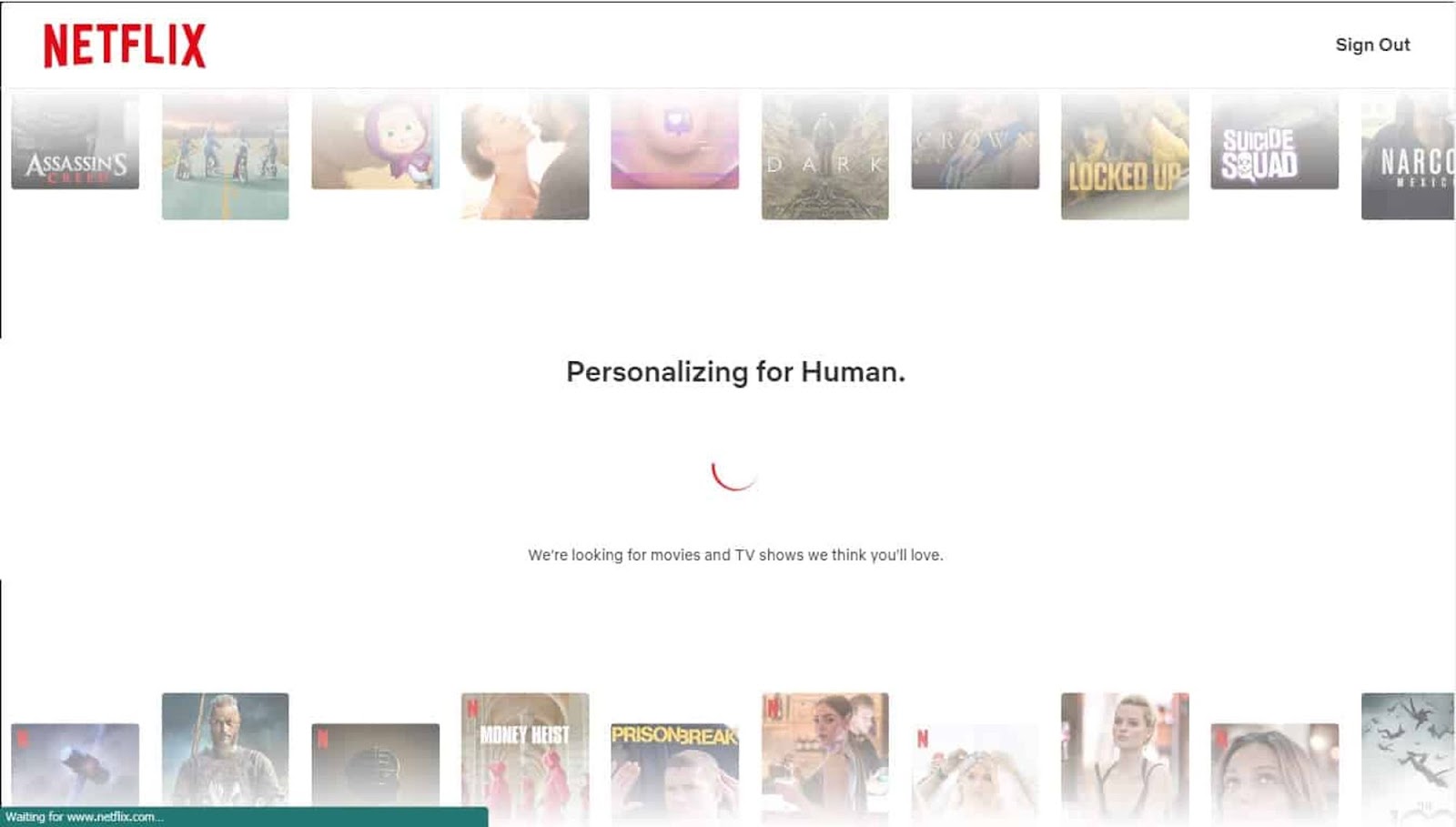
Next, I couldn’t leave Netflix out as it’s a perfect example of an intuitive UX. Users don’t need further guidance because the product is extremely simple. From asking for a few preferences to suggest related recommendations to its simple and funny UX wording, it’s a great UX experience all around.
Slack is also a great example of an engaging experience. From the get-go, it encourages new users to learn the product by actually using it. After signing up and asking 3 questions about your team, the app immediately starts showing users around, starting with the very first project channel.

Another cool UX aspect of Slack is its use of contextual onboarding to bring information wherever it is needed. For example, when a user wants to integrate an app with their Slack workplace, a tiny three-step user onboarding flow appears.
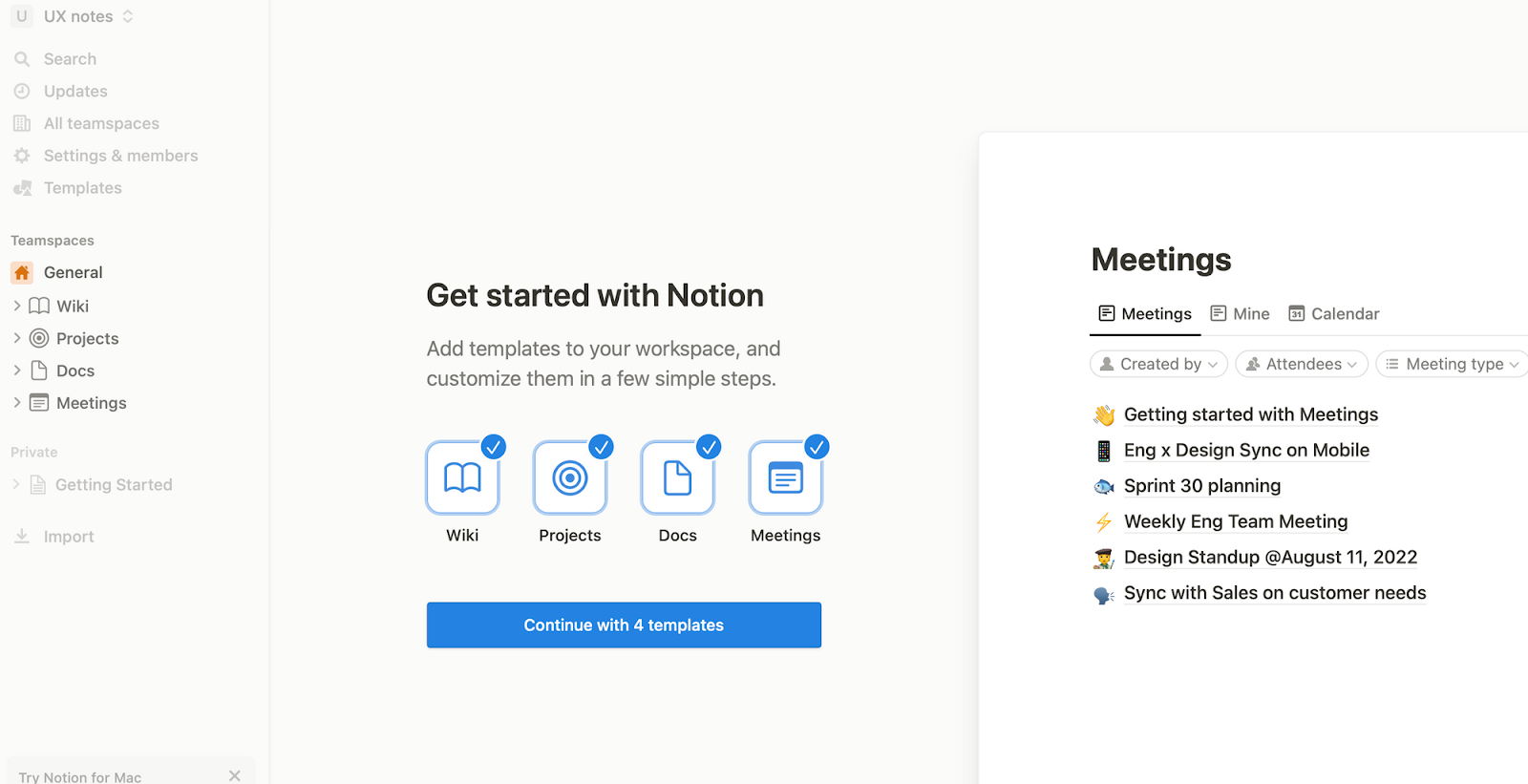
Last but not least, Notion. It has a three-step sign-in session, helping users personalize the workspace to match their specific needs and showing straight away that Notion is a powerful and multifunctional solution.

Instead of dropping new users into a complex dashboard, Notion introduces them to the core features with a lightweight and interactive tutorial. I especially love the brief, hands-on onboarding that shows the product's key features, functionalities, and commands.
Another burning question that many ask is whether or not I feel threatened by AI tools such as ChatGPT. My answer is “Not now”. First of all, most of my work takes place before I even start typing. As of today, there is no AI to interview users, conduct UX research, go to meetings with product teams, or have discussions with designers and developers. Plus, AI is way too polite and in my area sometimes you need to fight to prove your opinion ;) By the way, AI gave me some pretty good ideas when I was preparing for this interview 😌
UX Writer's top recommended reading list should include a few books:
- Strategic Writing for UX by Torrey Podmajersky
- Microcopy: The Complete Guide by Kinneret Yifrah
- Content design by Sarah Winters
- Writing Is Designing by Michael J. Metts & Andy Welfle
- 100 Things Every Designer Needs to Know About People by Susan Weinschenk
- Essentialism: The Disciplined Pursuit of Less by Greg McKeown
- Hooked: How to Build Habit-Forming Products by Nir Eyal
- The Design of Everyday Things by Don Norman
As well as podcasts, here I would recommend listening to Writers in Tech; courses UX-writing Hub and for general information Google UX design.
Overall you need to read, listen, highlight, and write ideas down. See something interesting? Make a note of it. Surround yourself with words and look around to spot good and bad UX copy everywhere, you’d be surprised! It’s my biggest inspiration.
How to find a professional UX Writer for your project?
Should you be looking for a boost in your digital product's user experience, we at Svitla Systems, have a team of UX writers who are adept at simplifying complex ideas, translating technical jargon into plain language, and creating a unified voice across all user touchpoints.
Our UX writers understand the importance of user-centric content. They are always focused on refining their work, ensuring it effectively meets user needs and enhances the overall user experience. In the realm of digital product development, the significance of UX writing can't be overstated. It's about crafting clear, concise, and user-focused content that helps users achieve their goals effortlessly. Whether you're starting a new project or looking to improve an existing one, we're here and happy to assist with your UX writing needs.
Let us demonstrate how effective UX writing can elevate your user experience to the next level!