In the modern world where huge information flows spin around at a rate of knots, and multitasking style became the norm of ordinary life we just cannot afford the luxury of spending time for the poor organization of our routine processes.
Modern business behavior demands using convenient tools for being super mobile and quick.
To help companies and individuals, technologies advise such organizers as the CRM, ECM and ERP systems that can take the whole responsibility for the comfortable and reliable data management, saving our precious time for direct conversation with customers, focusing on taking decisions and having time for ourselves.
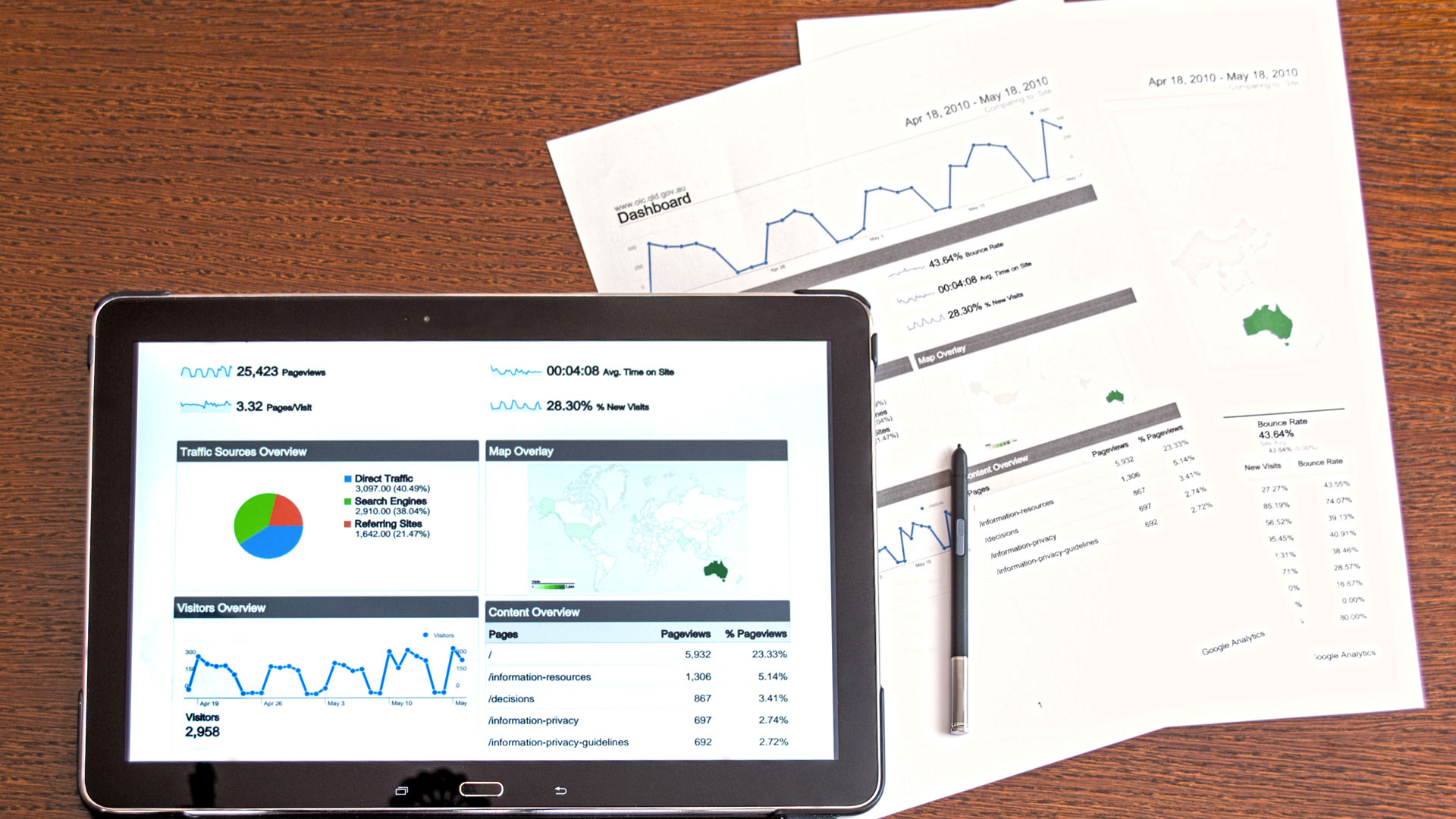
Each of these systems is built around a single relational database management system with analysis tools and an executive information system (dashboard) with a modern graphical user interface, authorization and security, and easy integration with such business tools as Microsoft Office (Word, Excel) and e-mail.
Customer Relationship Management
To manage business relationships and information associated with them the contemporary Customer Relationship Management (CRM) systems come to help. CRMs are successfully integrated into almost all spheres of business: sales, customer service, human resources, performance management, marketing, training, development.
CRMs help to:
Manage and store all customer and contact information in one place;
Share information across colleagues within your own organization who are making contact with the same customers;
Get easy access at any time and from any device to the customer information;
Automate some routine processes of customer services;
Keep tracking on prospects and define the needs of the customers;
Have time saved with convenient and well-organized system of contacts storage.
CRMs solve the problems of:
Difficult filtering and search of necessary information;
Not enough space on your device because of tons of data.
The future of CRMs is in gaining even more mobility, being able to store more data and analyze it more effectively. Improvements of these systems include not only better data storage capabilities but also development of the mechanisms enabling the CRM systems to elaborate the roadmaps and ways of goals achievement.
Enterprise Resource Planning
Besides CRMs, there are other enterprise systems such as ERP (Enterprise Resource Planning) that greatly have evolved independently in recent years. Implementation of an ERP system will be effective in large companies with diversified work processes and departments net.
The ERP system may be indispensable in such business areas as financial accounting, human resources, project management, manufacturing resource planning, supply chain management, inventory management, customer relationship management, order processing and shipping.
ERPs help to:
Integrate real-time view of core business processes that is important for board of directors and company management;
Decreases time for search and distribution of information among the departments;
Synchronize all data across an organization, which means a single version of the documentation available to everyone who has access in the company and transparent tracking of changes;
Facilitate the fulfilment of work process automating the different steps that can lead in its turn to easier and more frequent upgrades/ releases / delivery/ responses;
Enhance speed and performance of all processes and fastens the implementation time;
Manage web content: automation of dynamic web content management and interactions with customers;
Simplify the method for tracking employees’ time and engagement.
ERPs solve the problems of:
Setting in order the Information scattered among many different systems in different departments;
Delays in customer services because of poor search and time consuming data management;
- Irritating fulfillment of recurring work steps.
With integration of ERP systems into your business, you get rid of most of the data management overhaul that will give an awesome payback and your company will never reject using of ERP.
Enterprise Content Management
Now businesses use information of many forms beyond paper — data streams, electronic files, video and other digital media, web content and email. Enterprise Content Management (ECM) is a process of obtaining, organizing, storing and delivering of an organization’s documents, and other content. The term encompasses strategies, methods, and tools used to manage the complete life-cycle of content, birth to death. ECM systems can be successfully integrated into any business, for example, financial services, public sector, media and entertainment, manufacturing and utilities, healthcare, education, e-commerce, services and transport.
ECMs help to:
Capture any type of content, store it securely and make it available during the process regardless of time and location;
Effectively organize any amount of information;
Quickly search and navigate to information and its associated contexts;
Make the changes in the documentation traceable;
Enhance publishing and delivery processes.
ECMs solve problems of:
Finding and eliminating of duplicated or inconsistent content;
Minimizing overhead connected with organization of information.
Keeping your content in order is not everything – the content is useful only when it is available, accessible, searchable and timely updated. ECMs can make a miracle with the current state of your company content management and streamline the processes that were slow and heavy previously.
***
Choosing the right system for your business depends on many factors:
Aims that you are going to achieve with integration of selected content management;
Character of processes and content you need to chose solution for;
Functionality important to you;
How easily can the system be implemented and configured;
Integration possibilities of your other business software;
Experience and great references of vendor;
Perfect technical support from your vendor.
No matter what system you chose it will be necessary to customize it to the business processes of your organization. Also it will also take some time to train your employees, but at the end, it will be real help for everyone in your company.

FAQ
What is a CRM and ERP?
A CRM (Customer Relationship Management) system is defined as a business tool focused on the management of customers and all information pertaining to their relationship with customers and prospects, consolidated in one place. It stores contact data for sharing between sales, service, marketing, and HR teams, and is more accessible from any device by automating routine customer-service tasks as well as tracking prospect and customer needs, all at the fingertips to eliminate searching scattered files. On the other side of the pole, an ERP (Enterprise Resource Planning)system is a broader enterprise platform that facilitates integration and synchronization of all core business processes across such departments as finance, human resources, project management, manufacturing, supply chain, inventory, order processing, and shipping into a single real-time system. It breaks down silos with enhanced information flow, sped-up work processes, consistent documentation version across the whole company, regular task automation, which improves overall performance decisions.
What is a CRM in simple terms?
A CRM is defined as a digital tool for the central storage and management of client information and business dealings in one location. It permits seamless sharing of data among team members, enables automation of mundane tasks, and allows tracking the needs of prospects from anywhere at any time on any device. By making the search for what you need easier, a CRM saves much precious time that can be directed toward direct communication and decisions that need to be made.
What is the difference between ERP and ECM?
ERP (Enterprise Resource Planning) refers to the integration and management of core business operations like accounting, human resources, supply chain, manufacturing, and order processing in a single real-time system, such that they use harmonized data across all departments. ECM (Enterprise Content Management) only stores all content and documents – files, emails, web content, media – from inception to delivery. While ERP is meant to optimize transactional business process flows and resource planning, ECM optimizes information and document management by making content findable, controlled, and updated.
Can ERP replace CRM?
ERP does not replace CRM because the two applications have different primary focuses. ERP is intended to integrate and streamline internal operations, including accounting, human resources, supply chain, inventory, and project management, while presenting management with a real-time operations view. CRM specializes in customer relationship management by keeping detailed contact information as well as interaction and prospect tracking integrated with support for sales and customer service workflows. Although ERP offers customer modules, firms that depend on sales, marketing, and service need dedicated CRM systems to manage customer interactions effectively.
What is better, ERP or CRM?
Neither ERP nor CRM is absolutely “better”; they have different functionalities. The choice between the two should be based on a user’s business goals. If the requirement is to streamline and integrate core internal functions such as finance, HR, supply chain, and project or production management across departments, then ERP would be the best fit. If enhancing sales, marketing, and customer service by properly organizing customer data, tracking interactions with customers, and automating all client-related tasks is what comes to mind when thinking of a solution, then CRM would be the answer. Most growing companies work best with both; they integrate ERP for operational efficiency and CRM for strong customer relationships.