


Utility bill data capture and validation
Automated ingestion and normalization of utility bills across providers, sites, and meters.

An energy analytics system earns the trust of facilities and sustainability teams only if its numbers reconcile cleanly with utility bills and regulatory filings, so we treat data normalization and audit-ready reporting as core architectural decisions. Every system we build gives energy and sustainability teams an accurate, up-to-date view of consumption, costs, and emissions across all facilities.
First of all, we map your existing utility data sources, meters, and reporting obligations, so integration complexity and data quality requirements surface at the start.
You’re tracking consumption and cost across dozens of meters and utility bills. We replace manual data entry with one consolidated, always-current view of energy spend and usage.
You’re accountable for emissions data and disclosure deadlines. We build reporting that pulls from a single source of truth, so compiling ESG and regulatory filings takes days, not weeks.
You manage energy programs across many facilities, regions, or business units. We build consolidated reporting and integrations with the ERP and facilities systems you already run.

Before any code is written, we walk through your utility data sources, meter inventory, and the specific ESG or regulatory reports you need to produce. This tells us whether you need full software outsourcing or a narrower engagement model.
We turn those requirements into a project plan and a technology stack tailored to your data volume and reporting standards. We staff the project with engineers experienced in energy data and sustainability reporting software.
Our engineers build the solution in tracked, reviewed cycles. At every stage, we validate that consumption and cost figures reconcile against your actual utility bills. You get regular progress updates, so nothing surfaces as a surprise.
Below, Svitla shares a sample feature set that forms the core of an energy analytics and reporting solution. Each real-life use case is unique, so the functionality should be elaborated on and tailored to your business specifics.
Automated ingestion and normalization of utility bills across providers, sites, and meters.
Dashboards tracking energy use and spend by facility, meter, and utility type.
Machine learning models that flag billing errors, rate changes, and unusual consumption patterns.
Automated calculation and reporting of emissions data for ESG disclosures and regulatory filings.
Predictive models for anticipating future consumption and cost based on historical patterns.
Comparison of energy performance across facilities or against industry benchmarks.
Tools for tracking energy budgets and modeling the impact of utility rate changes.
Configurable reporting for facilities, finance, and sustainability leadership.
Answer a few simple questions and find out whether you should opt for a custom solution or a pre-built energy analytics platform.
Does your team process utility bills manually across multiple sites or providers?
Is your energy consumption data scattered across separate systems or spreadsheets?
Does compiling data for sustainability or regulatory reports take weeks each cycle?
Have billing errors or unusual usage patterns gone unnoticed until after the fact?
Do you need the system to integrate with a specific facilities, ERP, or sustainability platform?
Have you evaluated AI-based anomaly detection or usage forecasting tools?
Do you need to benchmark energy performance across multiple facilities?
Have you already tried an off-the-shelf energy analytics platform that didn’t cover your reporting needs?
Do you expect your facility footprint or reporting obligations to grow over the next 2–3 years?
Thank you! We will be in touch soon.
In Svitla’s projects, we consistently aim to address the key factors that drive maximum value and cost-effectiveness in energy analytics and reporting software:
Automated validation catches overcharges and rate discrepancies before they add up.
Automated data consolidation cuts the time needed to prepare ESG and regulatory disclosures.
Consumption analytics and benchmarking surface efficiency opportunities across facilities.
Consistent, audit-ready reporting reduces the risk of inaccurate or late regulatory filings.
Usage forecasting improves the accuracy of energy budget planning.
A consolidated view across sites reduces blind spots that hide inefficiency.
Building energy analytics and reporting software is not a standard SDLC checklist. The real complexity sits in reconciling utility invoices, meter readings, and disclosure requirements that vary by facility and by regulator. At Svitla, we structure that work into four phases:
We start by cataloging every utility provider, meter type, and reporting obligation across your facility portfolio. That becomes a requirements document and a technology stack sized to your data volume and disclosure standards.
We define the feature set, reporting structure, and integration points first. Then we lock in scope, timeline, budget, and team structure before writing any code.
Our engineers build the solution in short, reviewed cycles. At every stage, we test data validation, anomaly detection, and reporting accuracy against your actual utility bills and historical consumption data. Historical utility, consumption, and emissions data gets migrated from legacy systems with validation at every step.
We connect the system to your utility providers, building management systems, and ERP or sustainability platforms. Then we train facilities, sustainability, and finance staff on the new workflows. After launch, we offer ongoing technical support and add enhancements as your reporting needs evolve.

Based on Svitla’s experience, the average cost of building an energy analytics and reporting software solution ranges from $60,000 to $750,000, depending on solution complexity.
Want to understand the cost of your energy analytics and reporting solution?
Calculate the costPlease answer a few quick questions about the energy analytics and reporting solution you’re looking to build. This will help our experts better understand your needs and calculate a tailored quote much faster.
Thank you! We will be in touch soon.
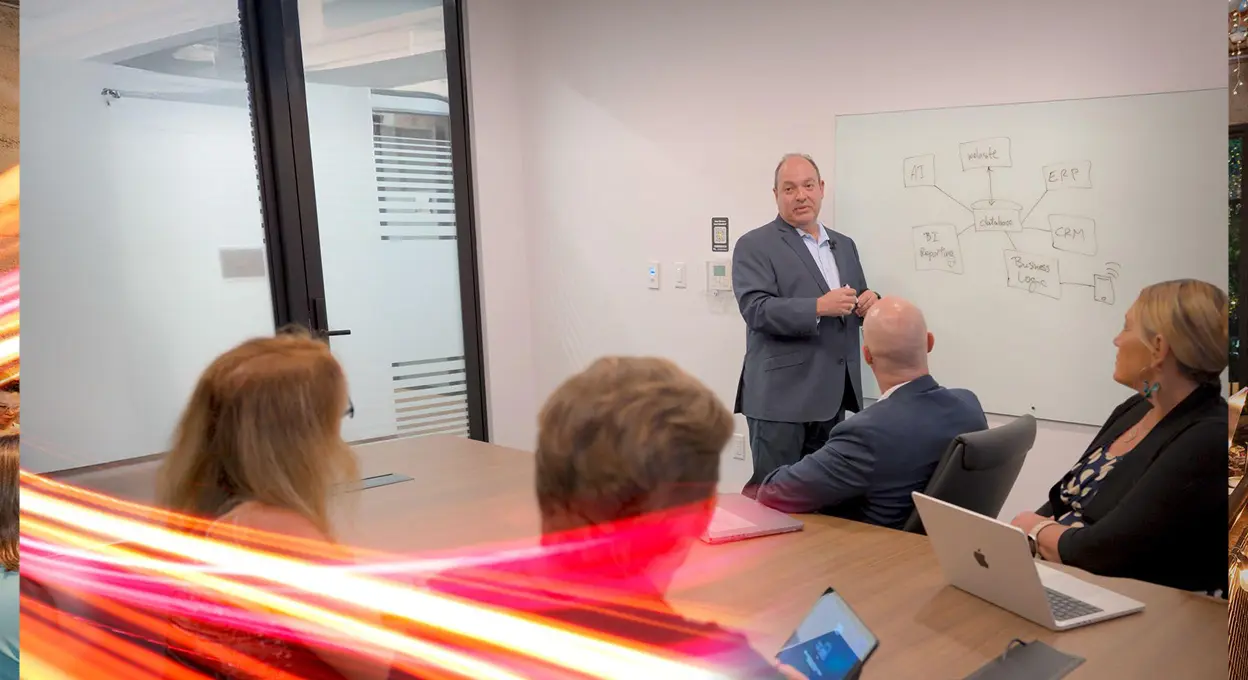
What Our Clients Say About Us
Discover how we transitioned a US solar energy supplier to a new business model focused on energy management, developing a comprehensive platform for payment estimation and billing, integrating seamlessly with external systems.
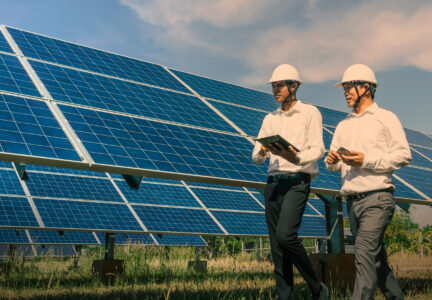
Discover how we upgraded a leading US manufacturer's SaaS platform for solar PV products, which operates across over 35 countries. Our team transitioned the platform to a serverless architecture with microservices, automated critical QA processes, and utilized advanced AWS cloud services.
Learn how we enhanced the client's capabilities in electricity generation and distribution by developing a new IoT platform for comprehensive device management, implementing a solution for big data analytics with modern technologies, thus delivering a robust platform for real-time monitoring.






With 17 years of experience in engineering energy and sustainability software and practical knowledge of 10+ industries, Svitla offers full-cycle consulting and engineering services to deliver effective energy analytics solutions.
Utility data source and reporting obligation needs analysis.
Audit of the existing utility bill and consumption tracking workflows (if any).
Recommendations on optimal feature set, reporting structure, and tech stack.
A plan of integrations with your utility providers, ERP, and sustainability systems.
Implementation cost and time estimates, expected ROI calculation.
Energy analytics solution conceptualization and architecture design.
Custom development of data ingestion, anomaly detection, and reporting functionality.
Integration with the necessary utility, ERP, and sustainability reporting systems.
Quality assurance and security testing.
Continuous support and evolution (if required).
Audit of legacy spreadsheets, tools, or an aging analytics platform.
A migration plan for historical utility, consumption, and emissions data.
A phased cutover that keeps reporting running throughout the transition.
Retraining for facilities, sustainability, and finance staff on the new workflows.
Post-migration validation against your prior reporting figures.
No. While enterprise platforms are often built for large, multi-site portfolios, we build scoped solutions for smaller organizations too, focused on the specific need (such as utility bill tracking or a single ESG report) that matters most, without the overhead of a full enterprise platform.
Yes. We build automated data consolidation and reporting that pulls from a single source of truth, so compiling ESG or regulatory disclosures takes days instead of weeks.
Yes. Integration with your utility providers, building management systems, and ERP or sustainability platforms is planned in the first project phase. We work with commonly used systems via their APIs and build custom connectors where standard ones don’t exist.
Custom development pays off when your reporting requirements, data sources, or integrations don’t fit a standard platform’s defaults, or when you need anomaly detection or forecasting capabilities packaged platforms don’t offer. If a pre-built platform covers your needs, we’ll tell you, and can help implement it instead.
The timeline depends on the facility count, feature scope, and integrations involved. We typically deliver in phases, starting with a working core (utility data ingestion and basic reporting), so you see value before the full rollout.
Yes. We offer post-launch support and enhancement engagements: monitoring, maintenance, and the implementation of new features as your reporting needs and business requirements evolve.