


One record for each asset, from purchase to disposal
Holds nameplate data, specs, location, and parent-child hierarchy.
Stores factory test results as condition baselines.
Tracks warranty terms and expiry alerts by OEM.

Most energy companies still plan renewals by nameplate age and expected useful life. Two transformers of the same age can be in very different shape. One ran cool at half load for 30 years. The other carried peaks every summer and has wet insulation.
Svitla builds equipment lifecycle management software that follows each asset from purchase to retirement. It combines condition data, maintenance history, loading, and failure consequence into one risk view. Planners see which assets need capital first and can defend that plan to regulators and boards.
Thousands of transformers, breakers, poles, and cables spread across a service territory. You need a defensible renewal plan for rate cases and reliability targets.
Large rotating equipment with long outage windows. You need to time major overhauls against market prices and planned outages.
Inverters, gearboxes, trackers, and blades from many OEMs, with varying warranty terms. You need to track warranty exposure and plan repowering.
Equipment management software is becoming core infrastructure for asset-heavy operators. GM Insights values the market at $10.5 billion in 2025 and expects about 9.1% annual growth through 2035. Growth reflects a shared problem: lifecycle data sits in too many places.

We review your asset registry, work order history, inspection records, and operating data. We show where data is missing and which gaps matter most for decisions.
Your engineers help define failure modes, health indicators, and consequence rules for each asset class. Every score is traceable to its inputs.
We start where the capital stakes are highest, often power transformers or inverters. Your team tests the scores against what they know from the field.
We add asset classes, connect more data sources, and turn risk scores into a multi-year renewal plan.
Below, Svitla shares a sample feature set that forms the core of an equipment lifecycle management solution. Each real-life use case is unique, so you should elaborate on the functionality and tailor it to your asset classes, data sources, and planning cycle.
Holds nameplate data, specs, location, and parent-child hierarchy.
Stores factory test results as condition baselines.
Tracks warranty terms and expiry alerts by OEM.
Combines inspections, test results, and sensor data.
Uses class-specific indicators, such as dissolved gas analysis for transformers.
Shows the inputs behind every score.
Learns from your failure history and operating stress.
Estimates remaining useful life with a confidence range.
Retrains as new failures and inspections arrive.
Scores safety, outage, environmental, and financial impact.
Accounts for customers served and redundancy available.
Lets planners adjust weights to match company policy.
Models lifecycle cost for each option over the planning horizon.
Includes spare-parts availability and lead times.
Flags assets where repeated repairs cost more than replacement.
Ranks projects by risk reduced per dollar.
Tests budget scenarios and shows the risk each one leaves.
Exports plans for rate case and board reporting.
Captures inspections offline with photos and readings.
Guides crews through decommissioning and disposal steps.
Records environmental testing and salvaged parts.
Answer a few simple questions to find out whether you should choose a custom solution or a pre-built equipment lifecycle management platform.
Do you still plan most equipment replacements by asset age?
Is your asset data split across an EAM, spreadsheets, and paper files?
Do you need to connect SCADA or historian data to asset condition?
Have you tried an off-the-shelf EAM module that didn't fit your asset classes?
Do regulators or boards ask you to justify your capital renewal plan?
Do you manage equipment from many OEMs with different warranty terms?
Would AI-based remaining useful life estimates help your planning?
Do you expect your asset base to grow through new sites or acquisitions?
Thank you! We will be in touch soon.
Below, Svitla outlines the ROI factors an equipment lifecycle management solution typically affects. Results depend on your asset mix, data quality, and starting point, so model them using your own records.
Healthy assets stay in service longer.
High-risk assets get replaced before they fail.
Fewer outages and overtime call-outs.
Lower cost of rush equipment orders.
Rate case filings rest on transparent risk data.
Audits take less time to prepare.
Alerts flag failures that fall under warranty.
OEM performance data supports future purchasing.
Lifecycle software is only as good as the data and engineering judgment behind it. Most energy companies hold decades of mixed-quality records, and every asset class ages differently. The build has to respect both facts.
We profile your registry, work orders, and test records for completeness and duplicates. We then agree on one asset taxonomy and failure code structure. This decides how far the first models can reach.
For each asset class, we define health indicators, failure modes, and consequence factors. Transformer models weigh dissolved gas and moisture. Inverter models weigh fault codes and thermal stress. Engineers sign off on every rule.
We connect EAM, historian, GIS, and finance data into one model. Pipelines clean and reconcile records on a schedule, so scores refresh without manual work.
We build the scoring, option analysis, and capital planning views. A pilot on one asset class tests scores against known failures and field experience.
We extend the system to more asset classes and sites. Planners and field crews get role-based training. Models retrain as new failure and inspection data arrive.

A focused solution for one utility or plant, covering an asset registry, health scoring, and replacement planning for one or two asset classes, typically costs $120,000 to $220,000. A multi-site platform with several asset classes, live sensor data, AI risk models, and capital plan optimization typically costs $250,000 to $500,000 or more. The final cost depends on the number of asset classes, the state of your data, and the systems we connect.
Want to understand the cost of your equipment lifecycle management software?
Calculate the costAnswer a few questions about your assets and goals. We’ll prepare a tailored cost estimate for your project.
Thank you! We will be in touch soon.
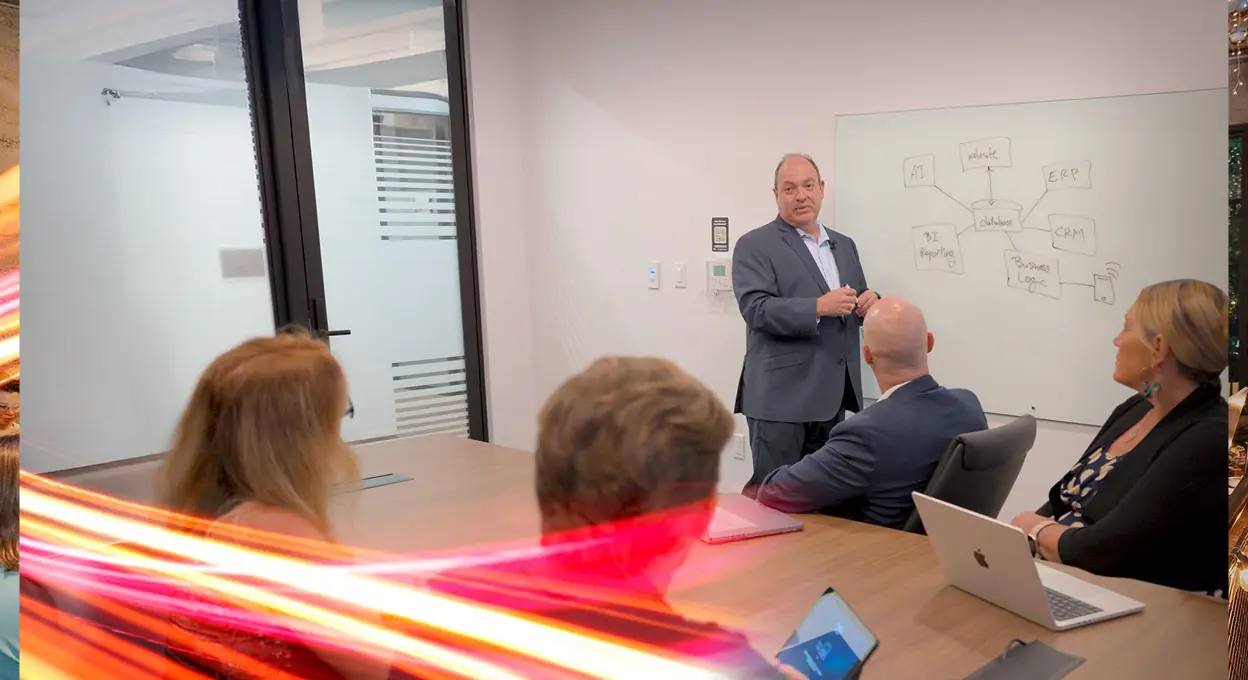
What our clients say about us
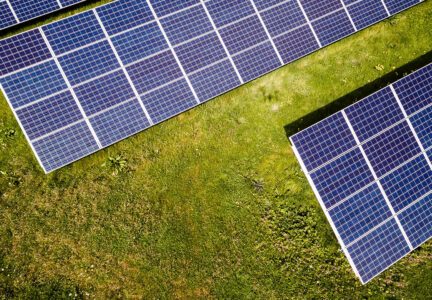
Learn how we overhauled a secure client portal for a solar energy company, modernizing its technology stack, implementing a fresh UI/UX, migrating to Microsoft Azure, and introducing a new billing system, thereby enhancing user satisfaction and streamlining operational efficiency.
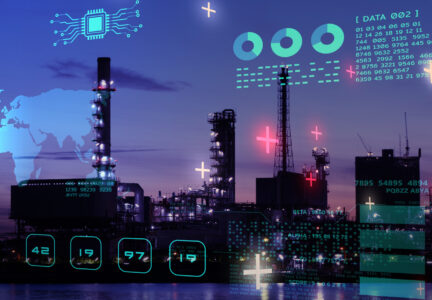
Learn how we enhanced the client's capabilities in electricity generation and distribution by developing a new IoT platform for comprehensive device management, implementing a solution for big data analytics with modern technologies, thus delivering a robust platform for real-time monitoring.

Discover how we upgraded a leading US manufacturer's SaaS platform for solar PV products, which operates across over 35 countries. Our team transitioned the platform to a serverless architecture with microservices, automated critical QA processes, and utilized advanced AWS cloud services.
With 23 years of experience in engineering energy software and practical knowledge of 10+ industries, Svitla offers full-cycle consulting and engineering services to deliver effective equipment lifecycle management solutions.
We assess your asset data, planning process, and tools, then recommend a lifecycle approach and roadmap.
We design, build, and test lifecycle software around your asset classes and planning cycle.
We audit your current spreadsheets or legacy EAM modules and plan the migration. The upgraded system adds risk scoring the old setup lacked. We cut over in phases and validate data after migration.
We build and maintain the pipelines that connect EAM, historian, GIS, and lab data, so risk scores stay current.
Your EAM records what was done to an asset. Lifecycle software decides what should happen next. It combines condition, stress, and consequence data to rank repair, refurbish, and replace options. Your EAM stays in the system of record for work.
Yes. Most utilities have gaps. We score assets with the data available and show how confident we are in each score. The system then points to the inspections that would improve the weakest scores most.
Every score shows the inputs behind it, such as test results, loading, and failure history. Engineers can compare scores against assets they know well. They can also override a score and record why.
The failure is recorded with its cause and fed back into the model. Similar assets are rescored right away. Over time, these surprises make the model more accurate for your fleet.
We build one taxonomy that maps each OEM’s models and failure codes to common classes. Warranty terms are stored per contract. You can compare reliability by OEM and model.
Yes. Many clients start with one asset class at one site. The data model supports more classes, sites, and users from day one, so growth doesn’t require a rebuild.