


Real-time production monitoring
Live tracking of energy generation across solar, wind, hydro, and storage assets.
A monitoring system only earns asset managers’ trust if its performance calculations hold up against real-world weather and equipment conditions, so we treat expected-generation modeling and fault-detection accuracy as core architectural decisions. Every system we build gives asset owners and O&M teams a single, accurate, up-to-date view of production, performance, and equipment health across all sites.
Before writing code, we map your existing SCADA, inverter, and sensor data sources, so integration complexity and data latency requirements surface at the start, not mid-project.
You need to know when a site underperforms. We build performance ratio tracking that compares actual output against expected generation in near real time.
You’re responsible for uptime across client portfolios spanning multiple technologies. We build fault detection and predictive maintenance that flags issues before they become outages.
You manage solar, wind, hydro, or storage assets that report through different systems. We build a single consolidated dashboard across all technologies and sites.
A renewable asset only earns its return if it performs at or near its expected output and if problems are caught before they cause real production losses. Across multi-technology portfolios, that’s harder than it sounds. Here’s where it typically breaks down.

Before any code is written, we walk through your SCADA, inverter, and sensor data sources at every site and across all technologies. This tells us whether you need full software outsourcing or a narrower engagement model.
We turn those requirements into a project plan and technology stack sized to your portfolio’s complexity. We staff the project with engineers experienced in renewable energy and asset performance software.
Our engineers build the solution in tracked, reviewed cycles. At every stage, we validate performance calculations and fault detection against real weather and equipment data. You get regular progress updates, so nothing surfaces as a surprise.
Below, Svitla shares a sample feature set that forms the core of a renewable energy monitoring solution. Each real-life use case is unique, so the functionality should be elaborated on and tailored to your business specifics.
Live tracking of energy generation across solar, wind, hydro, and storage assets.
Comparison of actual generation against expected output based on weather and irradiance data.
Machine learning models that flag equipment issues, such as inverter faults or string outages, in near real time.
Forecasting of likely equipment failures before they cause downtime.
A consolidated view of production and performance across every site and technology.
Direct connections to site-level control and monitoring systems for granular, real-time data.
Reporting on equipment availability and the financial impact of downtime events.
Production, performance, and maintenance reporting for asset owners and O&M teams.
Answer a few simple questions and find out whether you should opt for a custom solution or a pre-built monitoring platform.
Has a site underperformed for weeks before anyone noticed?
Do equipment issues usually get found only during a routine maintenance visit?
Does most of your maintenance happen only after a failure has already occurred?
Is your production data scattered across different systems for different technologies or sites?
Do you need the system to integrate with a specific SCADA or inverter monitoring platform?
Have you evaluated AI-based fault detection or predictive maintenance tools?
Do you manage a portfolio spanning more than one renewable technology?
Have you already tried an off-the-shelf monitoring platform that didn’t cover your equipment mix?
Do you expect your generation portfolio or site count to grow over the next 2–3 years?
Thank you! We will be in touch soon.
In Svitla’s projects, we consistently aim to address the key factors that drive maximum value and cost-effectiveness in renewable energy monitoring software:
Faster underperformance detection means less lost production over time.
Site-level performance ratios catch degradation trends before they compound.
Predictive maintenance catches likely failures before they cause an outage.
Early warning gives O&M teams time to schedule repairs instead of reacting to them.
Targeted, predictive maintenance is typically cheaper than reactive repairs after a failure.
Fewer emergency site visits lower both labor and logistics costs.
A consolidated view across sites and technologies reduces blind spots that hide underperformance.
Cross-site benchmarking makes it easier to spot which assets need attention first.
Clean, well-documented performance history supports stronger asset valuations at sale or refinancing.
Consistent reporting builds investor confidence during due diligence.
Automated fault alerts shorten the time between an issue occurring and a technician being dispatched.
Prioritized alerts help O&M teams focus on the faults with the highest financial impact first.
Developing renewable energy monitoring software is a complex process that includes business analysis, solution architecture and design, development, testing, integration, and comprehensive user training. At Svitla, the implementation of monitoring systems follows these key stages:
We catalog every SCADA, inverter, turbine, and sensor data source across your portfolio, as well as your current monitoring and maintenance workflows. This becomes a requirements document and a technology stack sized to your data volume and technology mix.
We define the expected-generation modeling approach, feature set, and integration points, then lock in scope, timeline, budget, and team structure before development starts.
Our engineers build the solution in short, reviewed cycles. We test production data accuracy, fault detection, and predictive maintenance logic against real weather and equipment data, not synthetic test cases. Historical production, performance, and maintenance data gets migrated from legacy systems with validation at every step.
We connect the system to your SCADA, inverter, turbine, and maintenance management systems, testing each integration against live data before go-live. We train asset management and O&M staff on the new workflows. After launch, we offer ongoing support and implement enhancements as your portfolio evolves.
Based on Svitla’s experience, the average cost of building a renewable energy monitoring software solution ranges from $100,000 to $700,000, depending on solution complexity.
Want to understand the cost of your renewable energy monitoring solution?
Calculate the costPlease answer a few quick questions about the renewable energy monitoring solution you’re looking to build. This will help our experts better understand your needs and calculate a tailored quote much faster.
Thank you! We will be in touch soon.
What Our Clients Say About Us
Discover how we upgraded a leading US manufacturer's SaaS platform for solar PV products, which operates across over 35 countries. Our team transitioned the platform to a serverless architecture with microservices, automated critical QA processes, and utilized advanced AWS cloud services.
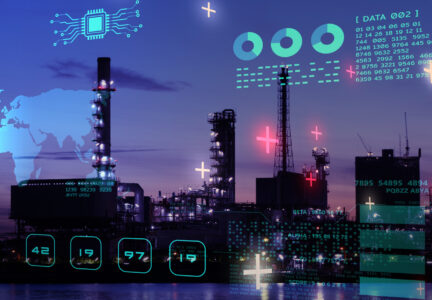
Learn how we enhanced the client's capabilities in electricity generation and distribution by developing a new IoT platform for comprehensive device management, implementing a solution for big data analytics with modern technologies, thus delivering a robust platform for real-time monitoring.
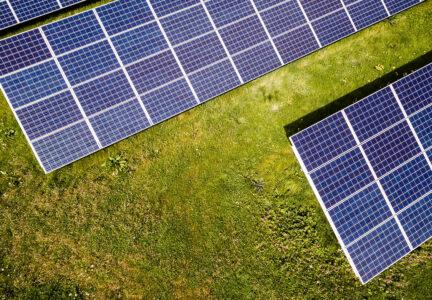
Learn how we overhauled a secure client portal for a solar energy company, modernizing its technology stack, implementing a fresh UI/UX, migrating to Microsoft Azure, and introducing a new billing system, thereby enhancing user satisfaction and streamlining operational efficiency.





With 17 years of experience in engineering renewable energy and asset performance software and practical knowledge of 10+ industries, Svitla offers full-cycle consulting and engineering services to deliver effective monitoring solutions.
Technology mix and data source needs analysis.
Audit of the existing production monitoring and maintenance workflows (if any).
Recommendations on optimal feature set, performance modeling approach, and tech stack.
A plan of integrations with your SCADA, inverter, and maintenance management systems.
Implementation cost and time estimates, expected ROI calculation.
Monitoring solution conceptualization and architecture design.
Custom development of production tracking, fault detection, and predictive maintenance functionality.
Integration with the necessary SCADA, inverter, and maintenance management systems.
Quality assurance and security testing.
Continuous support and evolution (if required).
Audit of your current monitoring platform, SCADA setup, or manual tracking process.
A migration plan for historical production, performance, and maintenance data.
Integration upgrades to support new equipment vendors or technologies added to the portfolio.
A phased cutover that keeps monitoring running during the transition.
Post-migration validation against your prior performance and downtime records.
Energy analytics and reporting software (elsewhere in this series) is scoped to the demand side: a company’s own energy consumption, cost, and sustainability reporting. Renewable energy monitoring software is scoped to the supply side: the performance of the generation assets themselves, such as solar, wind, hydro, or storage. Both can feed into a broader sustainability picture, but they track different things.
Yes. We build performance ratio tracking that compares actual generation against expected output based on weather and irradiance data, so underperformance shows up quickly instead of going unnoticed.
Yes. Integration with your SCADA, inverter, turbine, and maintenance management systems is planned in the first project phase. We work with commonly used systems via their APIs and build custom connectors where standard ones don’t exist.
Custom development pays off when your technology mix, hardware vendors, or integrations don’t fit a standard platform’s defaults, or when you need predictive maintenance capabilities packaged platforms don’t offer. If a pre-built platform covers your needs, we’ll tell you, and can help implement it instead.
The timeline depends on the technology mix, feature scope, and integrations involved. We typically deliver in phases, starting with a working core (production monitoring and basic alerting), so you see value before the full rollout.
Yes. We offer post-launch support and enhancement engagements: monitoring, maintenance, and the implementation of new features as your portfolio and business requirements evolve.