There’s a moment every fast-moving company hits eventually: the product is shipping, demand is there, and leadership realizes the biggest threat isn’t competition, it’s capacity. Not just how many engineers a company can hire, but whether the team can actually deliver consistently once things get complicated.
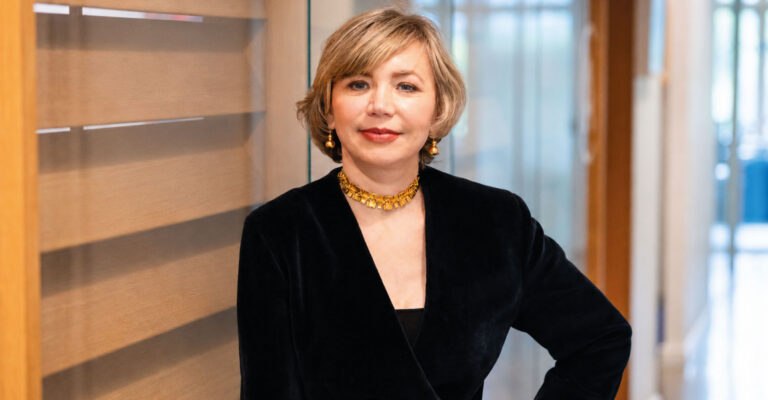
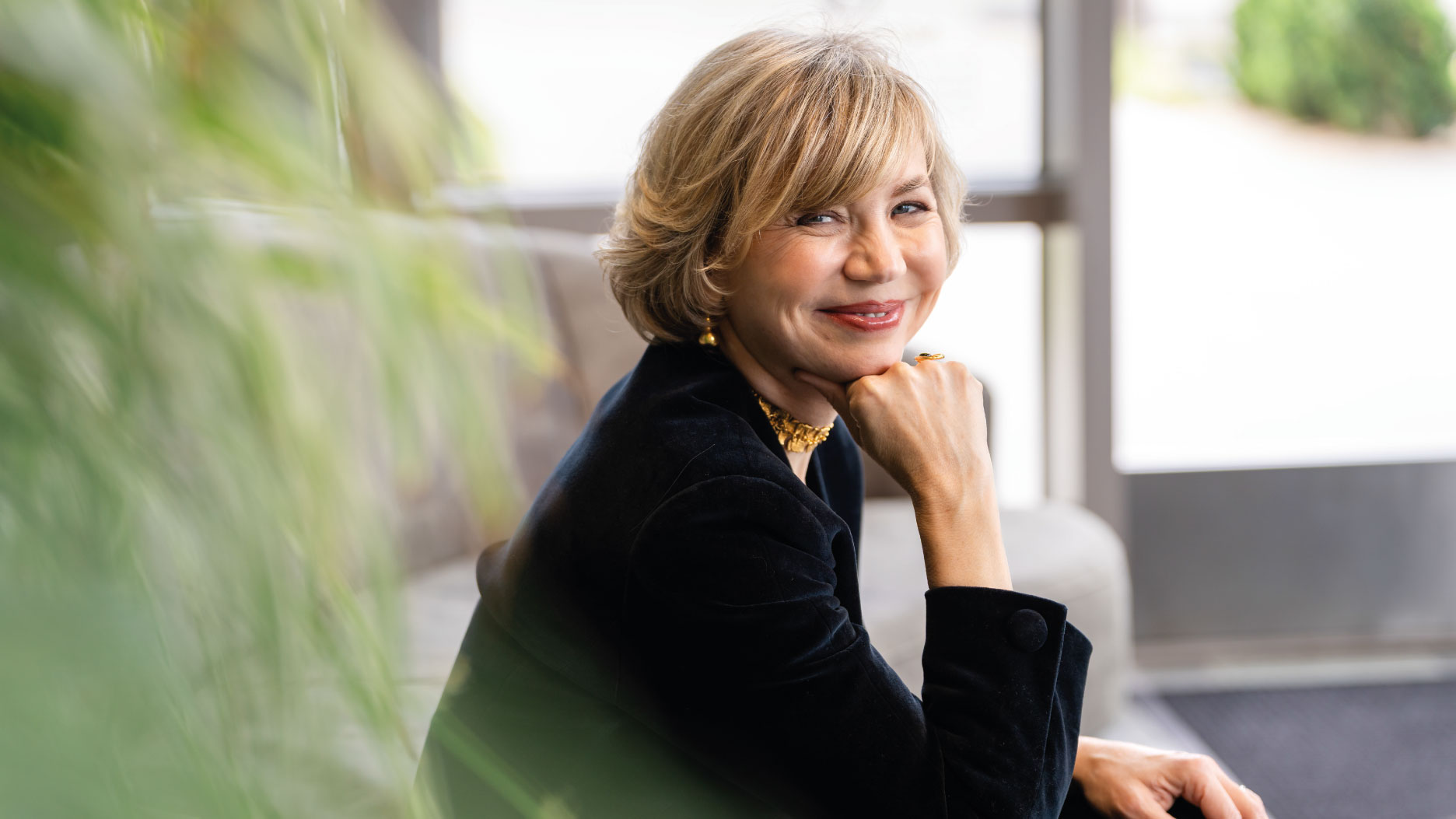
That question has been at the center of Nataliya Anon’s work for years. As the CEO and Founder of Svitla Systems, Anon has built a global software engineering company that now spans 15 countries and supports a team of more than 1,000 engineers. But what makes Svitla notable isn’t simply scale, it’s the way the company approaches engineering as a long-term collaboration instead of a short-term transaction.
“We’re not in the business of just delivering code,” Anon says. “We’re here to help clients solve real problems and build things that hold up when the stakes get higher.”
Anon is a technology entrepreneur originally from Ukraine who built her career in the United States. She earned a Master’s degree in IT and Accounting from the University of Kansas and later an MBA from Stanford Graduate School of Business, where she was immersed in Silicon Valley’s entrepreneurial world. Before launching Svitla, she worked at Ernst & Young, advising global enterprises on strategic planning and international operations, the kind of work that teaches you early that execution and planning aren’t separate skills. They’re inseparable.
That mix of technical grounding and business strategy carried into her next chapters. In 2001, Anon co-founded Lohika Systems as a partner. After exiting the company, she started Svitla Systems in 2003 as a sole founder, taking what she’d learned and rebuilding her vision from the ground up.
While studying and working around Silicon Valley, Anon saw a pattern that kept repeating itself. Companies with ambitious plans couldn’t move as fast as they wanted because they were struggling to secure dependable engineering support. At the same time, there was world-class technical talent beyond the small circles that companies were used to hiring from.
“I kept seeing the same disconnect, companies needed dependable engineering, and the talent existed globally,” Anon says. “Svitla was my way of building a smarter bridge between the two.”

Svitla was created to match innovative companies and ambitious projects with top-tier engineering talent worldwide, and to do it with a structure designed for long-term collaboration.
The early years of building any company can be intense. But scaling globally introduces a different type of challenge: consistency. As Svitla expanded across countries and teams, Anon faced the shift many founders eventually confront, moving from founder-led execution to a distributed leadership model.
“The hardest shift wasn’t growth, it was learning how to scale leadership,” Anon says. “You have to build systems and trust your people, or you’ll eventually become the bottleneck.”
In a crowded industry where many firms are evaluated by speed, output, or cost, Svitla’s approach puts weight on something harder to quantify: ownership. Anon emphasizes engineers who contribute ideas, solve business problems, and take responsibility for outcomes, not just task completion.
It’s a subtle but meaningful difference, especially for enterprise clients that need engineering partners who can work on complex systems and deliver over time, not just for a short sprint.
As a woman founder in technology, Anon has also encountered moments where people assumed male colleagues were the decision-makers in the room. Those moments typically pass quickly when leadership becomes clear and results take over, but they reflect the reality that perception still shows up in ways women in tech often have to navigate in real time.
Anon sees Svitla continuing to grow globally while deepening relationships with enterprise clients and delivering advanced solutions across AI, data, cloud, and complex distributed systems. But the bigger goal is to keep evolving beyond being seen as simply a delivery provider and further into the role of a strategic technology partner, helping organizations solve business challenges with modern, scalable solutions.
In a tech landscape full of shortcuts, Svitla Systems is rooted in a different thesis: build the right teams, earn trust over time, and scale in a way that doesn’t break what made the company work in the first place.