


Real-time recipe costing
Automatic cost updates as supplier invoice prices change.
Cost breakdowns down to the individual ingredient and portion size.
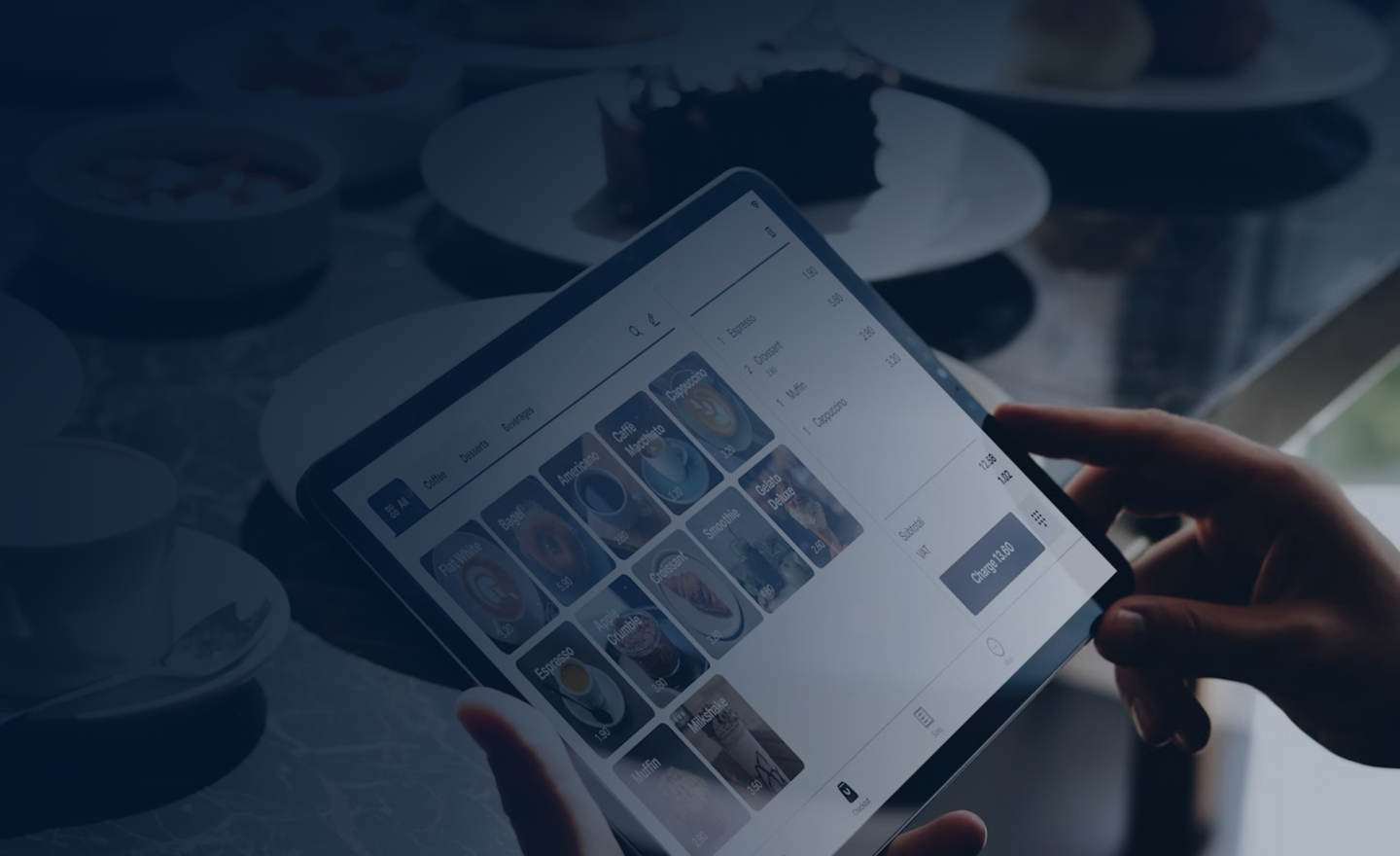
A menu is a living financial document, not a printed page you revisit once a year. We treat cost-to-margin calculation as a continuous process, tied directly to real supplier prices, not a spreadsheet someone updates when they remember to.
Before writing code, we map your current recipe costing process, POS menu structure, and supplier pricing sources, so data accuracy and integration requirements surface at the start.
You need confidence that every dish on the menu is priced against its real, current cost. We build costing that updates automatically as supplier prices change.
Each concept or location prices and engineers its menu differently, making it hard to compare performance across them. We build a shared costing model that still respects real differences between concepts.
Your menu changes weekly, and manual costing can’t keep up. We build fast, repeatable costing workflows that don’t slow down a menu refresh.
A menu item can look profitable on paper and lose money in practice, quietly, for months, until someone finally reruns the numbers. Here’s where that gap usually hides.

We’ll discuss your business goals, budget, and timeline, and map how your current costing and menu update process works.
We review how ingredient costs flow into your recipes and menu prices, and where that connection breaks down or goes stale.
We’ll craft a plan based on your requirements and assemble a team of specialists with restaurant technology experience.
Our engineers build the solution, track progress, and keep you informed throughout development.
We test costing accuracy and menu engineering classifications against your actual historical sales and cost data before launch.
Below, Svitla shares a sample feature set that forms the core of a menu management solution. Each real-life use case is unique, so the functionality should be elaborated on and tailored to your menu complexity, concept count, and supplier relationships.
Automatic cost updates as supplier invoice prices change.
Cost breakdowns down to the individual ingredient and portion size.
Classification of every item by profitability and popularity (stars, plowhorses, puzzles, dogs).
Recommendations on which items to promote, reprice, or remove.
Centralized menu control with location-specific pricing and item availability.
Consistency checks that flag a location whose pricing has drifted from group strategy.
Suggested price points based on cost, demand, and competitive positioning.
Confidence scoring on recommendations, so managers know which suggestions to trust.
Automated nutritional calculation and allergen flagging per recipe.
Compliance-ready labeling output for menus and packaging.
A centralized ingredient catalog tied to live supplier pricing.
Substitute-ingredient suggestions when a primary supplier's price spikes.
Direct publishing of menu and price changes to your POS system.
Version tracking that shows exactly what changed and when.
Item-level margin, popularity, and menu mix reporting.
Location-by-location comparisons for multi-unit operators.
Answer a few simple questions and find out whether you should opt for a custom solution or a pre-built menu management platform.
Do you suspect some menu items are underpriced relative to current ingredient costs?
Does recipe costing currently happen by hand or in a spreadsheet?
Do you need the system to integrate with a specific POS or supplier ordering platform?
Do you operate more than one concept or location with different menus?
Have you already tried an off-the-shelf menu tool that didn't fit your costing needs?
Do you need AI-based capabilities such as pricing recommendations?
Does your menu change frequently enough that manual costing can't keep up?
Thank you! We will be in touch soon.
In Svitla’s projects, we consistently aim to address the key factors that drive maximum value and cost-effectiveness in menu management software.
Accurate, current costing prevents underpriced items from quietly losing money. Menu engineering recommendations direct attention to the items that actually move the needle.
Automated costing lets a new dish or seasonal special get priced in minutes, not hours. Faster updates mean pricing can respond to cost changes before margin erodes.
Real-time supplier pricing means a cost spike gets caught immediately. Substitute suggestions help protect margin without pulling a dish from the menu entirely.
Centralized management keeps pricing and items aligned across a growing footprint. Drift gets caught early, not at the next quarterly review.
Automated allergen and nutritional tracking reduces the risk of a labeling error. A documented, auditable record supports both regulatory and liability concerns.
Developing menu management software means building a system that treats a menu as a living financial model, not a static document. At Svitla, we work through three phases.
We analyze how ingredient costs currently flow into recipes and menu prices, then define the feature set, costing engine, and technology stack tailored to your menu complexity and supplier relationships.
Our engineers build the solution in short, reviewed cycles, testing costing accuracy and menu engineering classifications against your actual historical data.
We connect the system to your POS, supplier, and inventory systems, train your team, and stay available for ongoing support as your menu and locations evolve.

Based on Svitla’s experience, average costs for building custom menu management software vary from $40,000 to $400,000, depending on the depth of costing logic, the number of integrations, and AI functionality involved.
Want to understand the cost of your menu management software?
Calculate the costPlease answer a few quick questions about the menu management software you’re looking to build. This will help our experts better understand your needs and calculate a tailored quote much faster.
Thank you! We will be in touch soon.
What our clients say about us
Real feedback from teams who worked with us on recipe costing accuracy, menu engineering, and multi-location consistency challenges like these.
A closer look at real projects where real-time costing, menu engineering analytics, or POS integration were part of the challenge.

Discover how we optimized a property management platform, enhancing integration, functionality, and data processing with advanced technologies. This led to improved operational efficiency.

Discover how we augmented a hotel CRM and guest marketing platform. By deploying an experienced full-stack development team, we enhanced the admin panel's UI and overall user experience, streamlined testing and onboarding processes, and introduced a new data streaming service.

We upgraded a leading hotel's e-loyalty platform, modernizing the tech stack to improve maintainability and performance. By migrating to React, implementing Amazon RDS, and using Cypress Test Automation, we delivered faster functionality, enhanced product quality, and reduced manual testing workloads.







With 17 years of experience in engineering hospitality software and practical knowledge of 10+ industries, Svitla offers full-cycle consulting and engineering services to deliver effective menu management solutions.
Costing process and menu structure needs analysis, audit of existing tools, recommendations on architecture and tech stack, integration plan, cost and ROI estimate.
Solution architecture, custom development of costing and menu engineering functionality, integration with POS and supplier systems, QA, continuous support.
Audit of your current costing spreadsheets or legacy menu tool, migration plan for historical recipe and pricing data, AI-supported recommendations the old process couldn't support, phased cutover, post-migration validation.
The closer to real time, the better; we design ingestion to pull pricing as close to invoice time as your supplier relationships allow, so a cost spike gets caught within days, not at the next manual review.
Yes, if we build that logic in, the system can flag alternative ingredients that preserve the dish’s character while protecting margin.
We build versioned recipes, so a seasonal variation gets its own costing without overwriting the standard version.
Yes, we build location-specific pricing on top of a shared recipe and cost base, so local market conditions can apply without losing central consistency.
It’s most valuable as an ongoing input to decisions, not a one-time report, which is why we build it as a continuously updating classification rather than a static quarterly analysis.
Subscription tools work well for standard single-concept operations. Custom development pays off when your costing complexity, multi-concept structure, or integration needs don’t fit a packaged platform’s assumptions.
Yes, we offer post-launch support and continue to implement enhancements as your menu, suppliers, and locations evolve.